
Speed-to-Market
The Strategic Role of Radical Lead Time Compression in 3D Printing
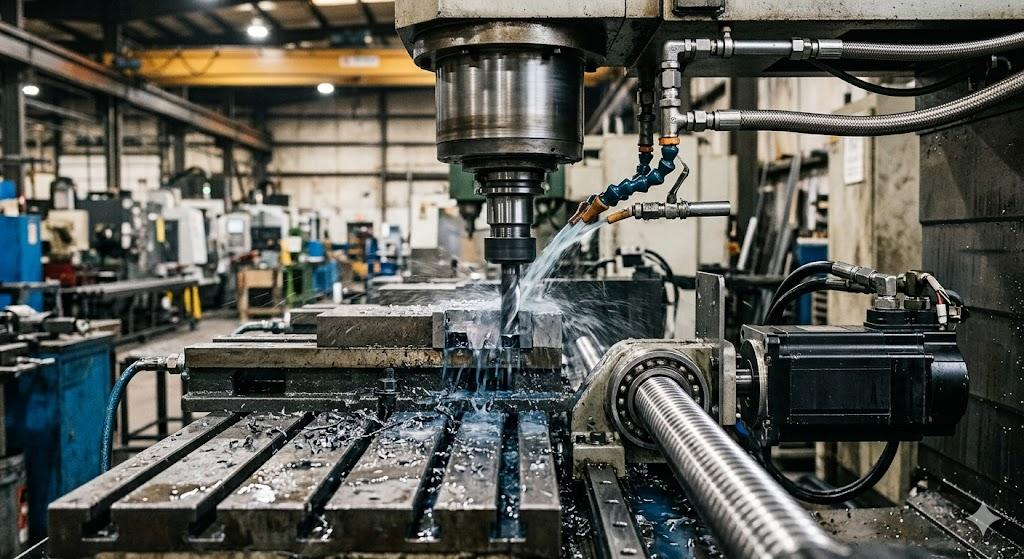
In the competitive landscape of Industry 4.0, speed is no longer just an advantage; it is a fundamental business imperative. For decades, manufacturing was governed by the rigid timelines of formative and subtractive processes, where the journey from a design to a physical part was measured in months. Today, the maturation of Additive Manufacturing has disrupted this paradigm, offering a “toolless” workflow that compresses development and production cycles from weeks to hours.
To appreciate the speed of 3D printing, one must first examine the inherent delays in traditional methods like injection molding or casting. Virtually every common plastic part is made via injection moulding, a process that requires a “master tool” or die. These molds are traditionally machined from steel or aluminium using high-end CNC equipment and skilled labour. Consequently, the production of a metal mould typically takes four to eight weeks and costs between $2,000 and $100,000+. These molds also become bottleneck, creating a high-risk environment. Once a mold is machined, the design is effectively “frozen”; any subsequent changes necessitated by testing or customer feedback require expensive and time-consuming re-tooling.
For repair businesses and manufacturers operating high-volume assembly lines, speed is often measured by the cost of downtime. Waiting for a replacement part from an Original Equipment Manufacturer (OEM) or a machinist can shut down a production line for days or weeks. At Eaton’s manufacturing plant, where 15,000 units move through the line daily, a worn-out paint scraper on a masking ring could stall operations. By 3D printing these production consumables on-demand, the team can replace the part immediately, ensuring no disruption to production. In-house SLS printing allows for the creation of a “digital stock” or repository of CAD files, replacing physical warehouses with a bank of printers that produce parts as soon as a machine fails. While a single unit might be more expensive than an outsourced part, getting a machine back up and running within 24 hours can save enough in lost profits to pay for the cost of the printer in a single day.
Complexity is Free: Speed without Penalty
In traditional subtractive manufacturing (CNC machining), complexity equals time. An intricate part with internal channels or organic geometries requires multiple setups, specialized tooling, and significantly more machine hours, which translates to longer lead times and higher costs.
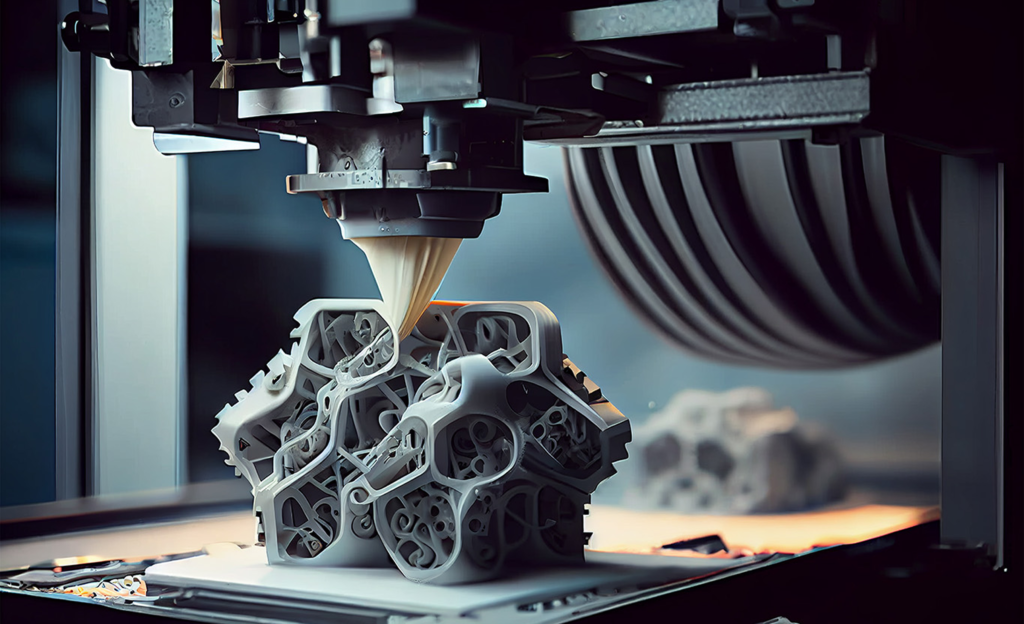
In additive manufacturing, “complexity is free”. Because the printer builds layer-by-layer, it can produce an intricate internal lattice or a topology-optimized bracket in the same time it takes to print a solid block of the same volume. This allows engineers to “break the chains” of traditional design constraints.
The data from real-world industrial case studies is clear: 3D printing reduces lead times by 3 to 10 times compared to traditional methods. It transforms the “impossible” into the “routine” and the “weeks” into “hours”.
Ready to Bring Your Ideas to Life?
Upload your model and get an instant quote
High quality , Fast delivery